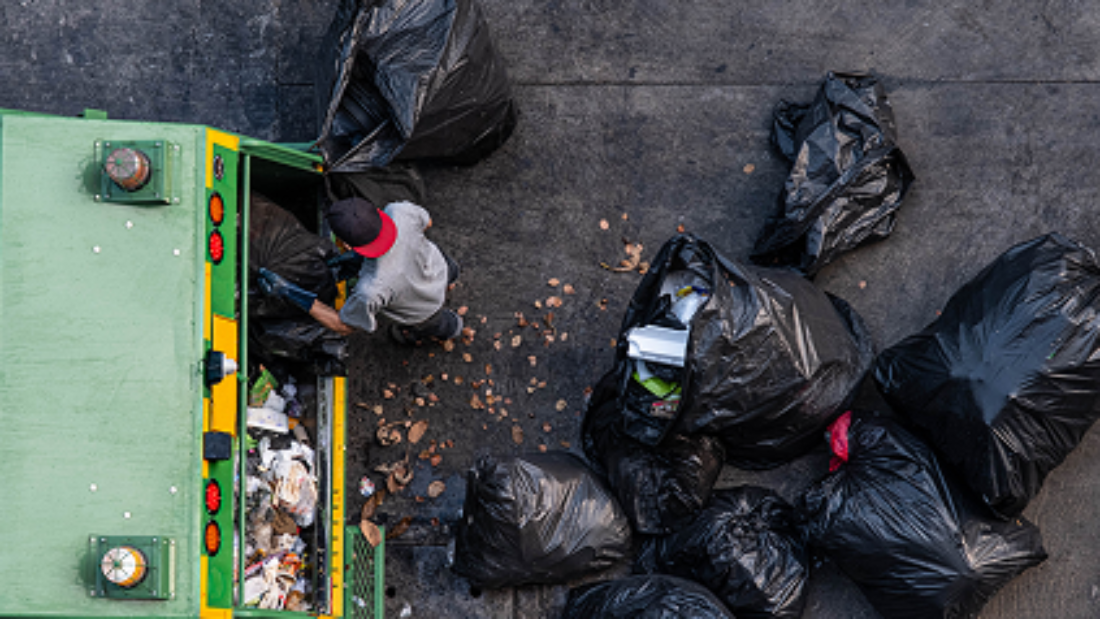
sewage water removal Dubai

Sewage Water Removal Dubai: Expert Services for Clean Waste Management

Sewage water removal is a vital component of waste management services that ensures safe disposal of wastewater, maintaining public health and environmental hygiene. For businesses and communities in Dubai, professional sewage water removal is critical due to strict regulations and rapid urban growth. Redcubes offers expert services that guarantee efficient, safe, and eco-friendly sewage water removal in Dubai tailored to meet the needs of commercial and industrial clients.

Proper sewage water removal prevents contamination of natural water bodies and soil, reduces health hazards, and supports sustainable urban living. Redcubes’ skilled team uses advanced equipment and compliant processes to ensure that sewage water is removed and treated responsibly, minimizing environmental impact and ensuring adherence to Dubai Municipality regulations.

Why Sewage Water Removal Matters in Waste Management

Sewage water contains numerous pollutants and pathogens that can harm human health and ecosystems if improperly managed. Effective sewage water removal in Dubai is the first step in preventing these hazards by safely transporting wastewater to treatment facilities. This process maintains hygiene, curbs the spread of diseases, and protects groundwater resources.

As Dubai continues to grow, proper sewage water management becomes increasingly important in preventing infrastructure strain and environmental degradation. Partnering with a reliable provider like Redcubes ensures that sewage water removal supports both public safety and environmental sustainability goals.

Redcubes’ Sewage Water Removal Solutions

Redcubes specializes in comprehensive sewage water removal services that include the collection, transportation, and disposal of sewage water in full compliance with local laws. We use state-of-the-art equipment designed to handle varying volumes of wastewater efficiently, from small commercial sites to large industrial zones.

Our service model also emphasizes eco-friendly practices by minimizing leaks, spills, and emissions during the removal process. This commitment to sustainability aligns with our broader goal of promoting responsible waste management and environmental stewardship in the UAE.

Benefits of Professional Sewage Water Removal Services

Choosing professional sewage water removal in Dubai with Redcubes delivers multiple benefits:

  • Ensures regulatory compliance with Dubai Municipality standards.
  • Protects communities and businesses from health risks associated with untreated sewage.
  • Supports environmental protection efforts through responsible waste handling.
  • Enhances operational efficiency with scheduled, hassle-free pickups and reliable service.
  • Provides peace of mind with experienced technicians managing waste safely and effectively.

Risks of Improper Sewage Water Removal

Untreated sewage leads to environmental pollution, foul odors, and structural damage to buildings through corrosion and foundation weakening. Overflowing systems spread bacteria like E. coli and coliform, attracting pests and posing severe public health threats including infections and respiratory issues. Neglecting sewage water removal risks hefty fines under Dubai Municipality rules—up to millions in penalties—and long-term ecosystem harm by contaminating groundwater and marine life.

Environmental Pollution Risks

  • Contaminates soil, rivers, lakes, and groundwater, harming wildlife and disrupting ecosystems.
  • Pollutes natural water bodies, leading to algal blooms and loss of aquatic biodiversity.
  • Contributes to broader degradation, affecting Dubai’s coastal areas and irrigation networks.

Public Health Hazards

  • Spreads pathogens causing gastrointestinal illnesses, skin infections, and respiratory problems from exposure.
  • Stagnant water breeds mosquitoes and rodents, increasing disease transmission like dengue.
  • Creates unsanitary conditions that endanger residents, workers, and communities near overflow sites.

Structural and Property Damage

  • Causes flooding from clogs, damaging properties and disrupting business operations in Dubai.
  • Leads to corrosion of pipes, foundations, and infrastructure, requiring costly repairs.
  • Results in wear and tear that shortens drainage system lifespan without regular maintenance.

Legal and Financial Penalties

  • Dubai Municipality imposes fines up to Dh20.8 million collectively for toxic dumping violations, risking company closures.
  • Non-compliance prevents license renewals and incurs ongoing penalties for improper disposal.
  • Businesses face legal action, operational shutdowns, and loss of trade permits.

Operational and Aesthetic Issues

  • Produces foul odors that reduce air quality and deter customers from commercial sites.
  • Causes blockages and backups, halting daily operations and increasing emergency costs.
  • Damages reputation through visible pollution, impacting client trust and revenue.

How Redcubes Handles Large-Scale Sewage Water Removal in Dubai

For industrial clients, Redcubes scales up with high-capacity tankers and 24/7 emergency sewage water removal. We assess site needs, deploy tailored equipment, and provide documentation for audits. This approach keeps large operations running smoothly and sustainably.

Contact Redcubes today for expert sewage water removal tailored to your needs. Our team offers quotes, site visits, and ongoing support for seamless waste management. Join us in building a cleaner Dubai through responsible practices.

waste management services dubai

Top Waste Managements Services Dubai: Essential Guide for Businesses

Waste management services Dubai play a critical role in keeping the city clean, compliant, and environmentally sustainable as businesses and communities grow rapidly across the UAE. Choosing the right waste management services Dubai provider helps companies reduce costs, meet Dubai Municipality regulations, and support the emirate’s zero-waste and sustainability goals.

What are waste management services Dubai

Waste management services Dubai include the collection, transportation, treatment, recycling, and safe disposal of different types of waste generated by residential, commercial, and industrial customers. These services cover general waste, food and organic waste, construction debris, sewage and wastewater, hazardous materials, and recyclable streams such as paper, plastic, metal, and glass.

In Dubai, waste management companies must follow strict rules issued by Dubai Municipality and other authorities to ensure safe handling, minimal environmental impact, and responsible recycling. Professional waste management providers use trained teams, specialized vehicles, and approved facilities so that every load is handled in line with local standards and environmental best practice.

Types of waste management services in Dubai

Businesses in Dubai can access a wide range of waste management services Dubai depending on their industry, waste volume, and compliance needs. Common service types include:

  • General solid waste collection and disposal for offices, retail, warehouses, and commercial buildings.
  • Industrial and commercial waste handling, including compactors, specialized containers, hauling, and recycling solutions for factories and large facilities.
  • Food and organic waste management for hotels, restaurants, cafeterias, catering units, and food manufacturers to reduce odors, pests, and landfill impact.
  • Construction and demolition waste removal from building sites, fit-out projects, infrastructure works, and renovation jobs.

Many waste management providers in Dubai also offer dedicated recycling services for cardboard, plastics, metals, wood, and e‑waste, helping businesses increase diversion rates and support circular economy targets. For industries that deal with chemicals or medical materials, hazardous waste collection and disposal services are available to manage toxic liquids, sludge, contaminated solids, and other regulated streams safely.

Sewage, wastewater and drainage services

Alongside solid waste, sewage and wastewater management is one of the most critical waste management services Dubai businesses rely on to keep operations safe and hygienic. Professional providers offer sewage water removal, septic tank emptying, sump pit cleaning, and transportation of wastewater to approved treatment and disposal facilities.

Drainage services in Dubai typically include sewer line cleaning, blockage removal, and desilting to prevent overflows, flooding, and foul odors in buildings, car parks, labor camps, and industrial facilities. Trained technicians use high‑pressure jetting units, vacuum tankers, and other specialist equipment to clear blockages quickly while protecting pipes and infrastructure.

Wastewater management can also extend to treated sewage effluent supply for irrigation, which allows businesses and communities to reuse water for landscaping and green areas instead of consuming fresh potable water. This approach supports Dubai’s sustainability strategy by reducing pressure on freshwater resources and cutting the volume of untreated wastewater going to landfills or illegal dumping.

Sweet water and non-potable water supply

In many industrial zones, construction sites, labor camps, and remote facilities, access to municipal water connections can be limited or delayed, so reliable tanker supply becomes essential. Waste management and water service companies in Dubai often provide sweet water tankers to deliver clean water for construction works, concrete mixing, labor accommodation, and other non-drinking purposes.

These sweet water services typically operate with a fleet of tankers that can handle different capacities, ensuring timely delivery to projects across the emirate. Businesses can schedule regular deliveries or urgent call‑outs to avoid downtime, maintain hygiene standards, and keep operations compliant with local health and safety regulations.

In addition to sweet water, some service providers may offer salt water or TSE (treated sewage effluent) supplies for district cooling, irrigation, or industrial applications where potable water is not required. This mix of water services helps organizations optimize costs while supporting Dubai’s goals for resource efficiency and sustainable water use.

Why businesses need waste management services Dubai

Every business in Dubai generates waste, whether it is packaging, food scraps, wastewater, or construction debris. All of it must be handled according to local regulations. Partnering with professional waste management services Dubai providers is essential. It ensures that waste is collected on time, transported safely, and disposed of or recycled in line with UAE environmental laws.

Effective waste management reduces the risk of fines, penalties, and reputational damage. These are linked to illegal dumping, poor hygiene, or non‑compliance with Dubai Municipality standards. It also improves workplace safety by preventing spills, overflows, cluttered storage, and pest infestations. As a result it can affect staff health and customer experience.

From a financial perspective, optimized waste and recycling programs can help businesses reduce overall disposal costs. It also helps to maintain cleaner premises that support brand image and customer trust. Companies that choose eco‑friendly waste partners can also demonstrate commitment to corporate social responsibility and alignment with national sustainability initiatives.

Key benefits of professional waste management

Using a specialized service provider brings several advantages beyond simple collection and disposal. Key benefits include:

  • Compliance with Dubai’s environmental, health, and safety regulations, reducing the risk of violations and legal issues.
  • Tailored service plans with scheduled pickups, emergency call‑outs, and custom container solutions for different waste types and volumes.
  • Improved recycling rates through dedicated collection streams, segregation guidance, and access to approved recycling facilities.
  • Cost control and predictability thanks to clear pricing, optimized routes, and waste reduction strategies that minimize unnecessary pickups.
  • Better hygiene and odor control in kitchens, loading bays, basements, and outdoor areas, enhancing comfort for staff and visitors.

A reliable waste management partner also brings experience in handling hazardous or sensitive materials. It is crucial for industrial plants, healthcare facilities, and logistics hubs operating under strict standards. Over time, continuous improvement in waste management processes can support certifications and sustainability reporting requirements for larger organizations.

Waste segregation and recycling in Dubai

Waste segregation is one of the most effective ways to improve recycling performance. It also reduces the volume of material sent to landfills in Dubai. Businesses are encouraged to separate recyclables such as paper, cardboard, plastics, metals, and glass from general waste. It helps to keep food waste and hazardous streams in clearly labeled containers.

Professional waste management companies can provide color‑coded bins, staff training, and collection schedules designed around segregated waste streams. This approach makes it easier to divert materials to recycling facilities. So it can lower disposal costs and help organizations meet internal sustainability targets.

In line with Dubai’s ambition to reduce landfill use and move towards a circular economy, authorities promote recycling and waste‑to‑energy initiatives across the emirate. When businesses participate actively in segregation and recycling programs, they directly support these goals while improving their own environmental footprint.

Choosing a waste management partner in Dubai

Selecting the right waste management services Dubai provider is essential for long‑term compliance, reliability, and cost control. When comparing companies, businesses should consider the range of services offered, response times. The fleet capacity, certifications, and experience in their specific industry should also be considered.

It is important to confirm that the provider uses approved disposal and recycling facilities. And also follows Dubai Municipality guidelines for documentation, manifests, and environmental reporting. Reviews, testimonials, and case studies can provide additional insight into how well the company performs in terms of punctuality, customer service, and problem resolution.

Many organizations prefer partners that can offer multiple services under one roof. It includes solid waste collection, sewage removal, drainage cleaning, and sweet water supply. This integrated approach simplifies coordination, reduces administrative work, and ensures consistent standards across all waste and water‑related operations.

How Dubai regulations shape waste management

Dubai’s waste management framework is designed to protect the environment, public health, and urban infrastructure as the city grows. Regulations cover everything from collection frequency and transport requirements to disposal methods, recycling targets, and hazardous waste handling procedures.

Businesses are required to work with approved waste management companies. It should follow guidelines on storage, labeling, and segregation of different waste types. Failing to comply can result in warnings, fines, or more serious penalties. It is especially in cases involving illegal dumping or unsafe handling of hazardous materials.

The emirate also promotes innovation such as waste‑to‑energy plants, advanced recycling centers, and smart waste technologies. These innovations improve efficiency and reduce landfill dependency. As these initiatives expand, businesses that adopt best practices in waste segregation, recycling, and responsible disposal will be better positioned to align with future regulations and sustainability benchmarks.

The future of waste management services Dubai is closely linked to smart technologies, data analytics, and circular economy principles. Smart bins, route optimization, and digital tracking tools are already helping service providers. It reduce collection trips, cut emissions, and respond faster to customer needs.

Pressure grows to recover value from waste. This includes recycling, composting, and energy recovery across the UAE.​ Businesses gain from forward-thinking partners. These companies offer new solutions. They boost performance and show sustainability leadership.​ Dubai’s economy expands and diversifies. Demand rises for efficient waste management services Dubai. It serves commercial, industrial, and residential clients.​ Experienced providers know local rules. They grasp environmental goals too. This helps firms stay clean, safe, and compliant.


blog 3

Grease Trap Cleaning: A Must for Every Commercial Kitchen in Dubai

Introduction

Grease trap cleaning is a crucial requirement for all commercial kitchens in Dubai to ensure compliance with the Dubai Municipality regulations. These regulations mandate regular maintenance of grease traps to prevent blockages, foul odors, and environmental hazards. Fats, oils, and grease (FOG) accumulation can lead to severe plumbing issues, making it essential for food establishments to follow a strict cleaning schedule.

What is a Grease Trap?

A grease trap is a plumbing device designed to intercept grease and solid waste before they enter the wastewater system. It functions by slowing down the water flow, allowing fats and oils to float to the top while solids settle at the bottom. The cleaned water then exits into the drainage system. In Dubai, regular maintenance is required by law to prevent grease from clogging drainage pipes and causing environmental contamination.

Importance of Regular Grease Trap Cleaning in Dubai

Dubai’s hot climate accelerates grease buildup, making regular cleaning even more critical. Neglecting grease trap maintenance can result in slow drainage, foul odors, and potential sewage backups. Additionally, poor maintenance can attract pests and bacteria, creating health risks for staff and customers. Compliance with Dubai Municipality regulations ensures a sanitary kitchen environment and smooth wastewater flow.

Preventing Plumbing Issues and Legal Consequences

When grease solidifies, it creates blockages that can cause severe plumbing damage, requiring expensive repairs. Dubai Municipality imposes strict penalties on businesses that fail to maintain their grease traps, including hefty fines and potential closure. Regular cleaning prevents plumbing failures and ensures uninterrupted kitchen operations.

Compliance with Dubai Municipality Regulations

The Dubai Municipality mandates that all food establishments install and maintain grease traps. Businesses must:

  • Clean grease traps regularly to prevent excessive grease buildup.
  • Maintain cleaning records as proof of compliance.
  • Dispose of grease waste through authorized waste management companies.

Failure to comply with these regulations can result in fines and operational disruptions. Engaging a professional grease trap cleaning service ensures adherence to legal requirements and environmental safety.

How Often Should Grease Traps Be Cleaned?

The cleaning frequency depends on kitchen activity levels. According to Dubai Municipality guidelines:

  • High-volume restaurants should clean their grease traps every one to two weeks.
  • Medium-volume kitchens should schedule maintenance at least once a month.
  • Small food outlets may require cleaning every two to three months.

Routine inspections help determine the optimal cleaning schedule, preventing potential issues before they arise.

DIY vs. Professional Grease Trap Cleaning

While some businesses attempt DIY cleaning, professional grease trap cleaning services in Dubai offer a more thorough approach. Licensed professionals use specialized equipment and eco-friendly waste disposal methods to remove accumulated grease effectively. Additionally, they ensure compliance with Dubai Municipality regulations and provide the necessary documentation for inspection purposes.

For those opting for in-house maintenance, the basic steps include:

  1. Carefully removing the trap lid.
  2. Scooping out the accumulated grease and solid waste.
  3. Scrubbing the trap with hot water and an approved degreasing cleaner.
  4. Inspecting for any damage before reassembling the trap.

However, professional services ensure thorough cleaning, reducing the risk of improper waste disposal and legal issues.

Choosing a Reliable Grease Trap Cleaning Service in Dubai

Selecting a reputable grease trap cleaning service is essential for maintaining hygiene and compliance. Businesses should look for service providers with:

  • Dubai Municipality certification and approval.
  • Experience in handling grease trap cleaning and waste disposal.
  • Eco-friendly waste management practices.
  • Positive customer reviews and a track record of compliance.

Partnering with a reliable service provider guarantees compliance, reduces maintenance issues, and ensures uninterrupted kitchen operations.

Conclusion

Grease trap cleaning is a vital aspect of commercial kitchen maintenance in Dubai. Regular cleaning prevents blockages, foul odors, plumbing issues, and ensures compliance with Dubai Municipality regulations. Whether through professional services or DIY efforts, maintaining a grease trap is essential for a clean and efficient kitchen. By prioritizing regular maintenance, businesses can avoid costly fines, enhance their reputation, and contribute to a healthier environment.

blog1

The Complete Guide for Sewage Water Removal in Dubai

Proper sewage water removal is essential for maintaining hygiene, preventing environmental contamination, and ensuring compliance with local regulations. In a fast-developing city like Dubai, effective sewage management plays a crucial role in urban sustainability and public health.

Understanding Sewage Water Removal

Sewage water removal involves the collection, treatment, and disposal of wastewater generated from residential, commercial, and industrial sources. The process ensures that harmful contaminants are removed before the water is either reused or safely discharged into the environment. Neglecting proper sewage disposal can result in severe health risks, environmental degradation, and legal consequences.

Benefits of Efficient Sewage Water Removal

1. Health and Hygiene

Poor sewage management can lead to the spread of diseases and contamination of water sources. Exposure to untreated sewage can cause infections, respiratory issues, and other serious health problems. Efficient removal prevents exposure to harmful bacteria, viruses, and other pathogens, ensuring a safer environment for businesses and communities.

2. Environmental Protection

Improper sewage disposal can pollute natural water bodies, harm marine life, and contribute to soil degradation. Proper treatment and disposal prevent pollution and help maintain ecological balance. Sustainable sewage management reduces the impact on the environment and promotes cleaner surroundings.

3. Regulatory Compliance

Dubai enforces strict wastewater management regulations to ensure environmental safety. Businesses must adhere to these laws to avoid penalties and legal action. Implementing proper sewage disposal systems helps companies comply with these regulations and demonstrates corporate responsibility.

4. Odor Control and Aesthetic Improvement

Unmanaged sewage can produce foul odors and create unsanitary conditions, leading to discomfort for residents, employees, and customers. Effective sewage removal minimizes unpleasant smells, improves air quality, and enhances the cleanliness and livability of urban spaces.

5. Sustainable Water Use

With advanced sewage treatment techniques, wastewater can be treated and recycled for non-potable uses such as irrigation, industrial cooling, and cleaning. This reduces the demand for fresh water and supports sustainability initiatives, crucial for a city like Dubai that prioritizes water conservation.

Effective Sewage Water Removal Methods

  1. Septic Tank Pumping – Regular maintenance of septic systems prevents overflows and ensures efficient operation.
  2. Sewage Treatment Plants – Specialized facilities treat wastewater before it is safely discharged or reused.
  3. Drainage System Maintenance – Keeping drainage systems clear prevents blockages, backups, and flooding.
  4. Vacuum Tanker Services – Specialized vehicles collect and transport wastewater from various locations to treatment plants.
  5. Biological Treatment – The use of microorganisms to break down organic waste in sewage water naturally and effectively.
  6. Grease Trap Cleaning – Essential for restaurants and food industries to prevent blockages caused by fat and oil buildup.
  7. Chemical Treatment – Some industrial and hazardous waste requires chemical neutralization before disposal.

How Businesses Can Improve Sewage Management

  • Regular Inspections – Conduct routine checks on drainage and sewage systems to identify and resolve issues early.
  • Use Eco-Friendly Treatment Solutions – Implement advanced filtration, chemical, and biological treatment methods.
  • Partner with Waste Management Experts – Collaborate with experienced service providers like Red Cubes for efficient and compliant sewage removal.
  • Educate Staff – Train employees on proper waste disposal techniques to prevent system blockages and inefficiencies.
  • Invest in Modern Sewage Systems – Businesses should upgrade outdated sewage infrastructure to improve efficiency and reliability.
  • Implement Water Recycling Practices – Reusing treated wastewater can significantly cut costs and support sustainability initiatives.

Conclusion

Sewage water removal is a critical component of urban infrastructure and environmental responsibility. Businesses in Dubai must adopt efficient sewage management practices to ensure public health, regulatory compliance, and sustainability. By working with a trusted waste management company like Red Cubes, organizations can streamline their sewage disposal processes and contribute to a cleaner and greener city. Investing in advanced sewage treatment solutions and maintaining regular inspections will help businesses stay ahead of regulatory requirements while protecting the environment and public health. Proper sewage management is not just a necessity but a commitment to a sustainable future for all.

blog 2

The Importance of Proper Waste Segregation for Businesses

Waste management is a crucial aspect of business operations, particularly in a fast-growing city like Dubai. As environmental concerns rise and regulations tighten, businesses must adopt sustainable practices, including proper waste segregation. Effective waste segregation not only ensures compliance with local laws but also enhances corporate responsibility, reduces environmental impact, and lowers operational costs.

Understanding Waste Segregation

Waste segregation refers to the process of separating waste materials into different categories before disposal or recycling. The primary categories include:

  • Organic Waste – Food scraps, biodegradable waste, and garden waste.
  • Recyclable Waste – Paper, plastics, metals, and glass.
  • Hazardous Waste – Chemicals, batteries, medical waste, and electronic waste (e-waste).
  • General Waste – Non-recyclable and non-hazardous waste that cannot be reused or repurposed.

Benefits of Proper Waste Segregation for Businesses

1. Regulatory Compliance

Dubai has stringent waste management regulations, and businesses must comply to avoid legal penalties. The Dubai Municipality enforces strict waste disposal rules, and non-compliance can result in fines and reputational damage. By implementing proper waste segregation, businesses can align with local regulations and demonstrate environmental responsibility.

2. Cost Reduction

Proper waste segregation helps businesses cut down on waste disposal costs. When recyclable materials are separated from general waste, companies can reduce landfill fees and even generate revenue through recycling programs. Additionally, businesses that produce hazardous waste must dispose of it through specialized channels, which can be costly if not managed efficiently.

3. Environmental Sustainability

Segregating waste minimizes landfill waste, reduces pollution, and conserves natural resources. Recycling and reusing materials reduce the need for raw material extraction, helping businesses lower their carbon footprint. Companies that adopt sustainable waste management practices contribute to Dubai’s environmental goals, including the UAE’s Vision 2030 sustainability targets.

4. Improved Workplace Hygiene

A well-organized waste management system ensures a cleaner and safer working environment. Proper segregation prevents contamination, reduces pest infestations, and minimizes health risks for employees. Businesses, particularly in the hospitality, healthcare, and food industries, must prioritize waste segregation to maintain high sanitation standards.

5. Enhanced Corporate Image

Sustainability is a growing concern for consumers and stakeholders. Companies that implement effective waste management strategies build a positive brand reputation. Clients and investors are more likely to support businesses that demonstrate a commitment to environmental responsibility.

Steps to Implement Waste Segregation in Businesses

  1. Educate Employees – Conduct training sessions to raise awareness about waste segregation practices.
  2. Provide Proper Bins – Label bins clearly for different waste categories to facilitate easy disposal.
  3. Partner with Recycling Companies – Collaborate with waste management providers like Red Cubes to ensure efficient recycling and disposal.
  4. Monitor and Evaluate – Regularly assess waste management processes and make necessary improvements.
  5. Encourage Sustainability Initiatives – Promote reuse, reduce packaging waste, and implement eco-friendly policies within the workplace.

Conclusion

Proper waste segregation is not just a legal requirement; it is a business responsibility that benefits the environment, reduces costs, and improves corporate reputation. By implementing efficient waste management practices, businesses in Dubai can contribute to a cleaner, more sustainable future while optimizing their operations. Partnering with a trusted waste management company like Red Cubes ensures compliance and efficiency in handling waste responsibly.

By taking proactive steps toward sustainable waste management, businesses can play a vital role in making Dubai a greener city.